
One Piece TCG Rarity Guide
One Piece TCG Rarities Explained
Learn how One Piece TCG rarities work, from common cards and rares to super rares, secret rares, alternate arts, special rares and manga rares.
Quick answer: what are One Piece TCG rarities?
One Piece TCG rarities describe how common or difficult a card is to pull from a booster pack. Commons, uncommons and rares make up most pack openings, while super rares, secret rares, alternate arts, special rares and manga rares are the cards collectors usually treat as bigger hits.
If you are new to the One Piece Trading Card Game, the rarity system can seem confusing at first. Packs can contain commons, uncommons, rares, super rares, secret rares, alternate arts and other special cards depending on the set. Understanding these rarities makes it much easier to enjoy opening packs and recognise what kind of pull you have just found.
Each rarity level plays a role in how a set feels to open. Some cards appear frequently and form the core of the set, while others are much harder to find and are considered the main chase cards.
Rarity tells you what type of card you have pulled, while pull rates explain how often that type of card is likely to appear. For odds and box-level expectations, read the One Piece TCG pull rates explained guide after this page.
One Piece TCG rarity levels
- Common (C) – The most frequently pulled cards in a pack
- Uncommon (UC) – Slightly less common, but still widely available
- Rare (R) – Usually found in packs and often features a holo design
- Super Rare (SR) – Higher-rarity cards with stronger artwork and desirability
- Secret Rare (SEC) – Limited cards that appear less frequently than SRs
- Alternate Art (AA) – Special versions of existing cards with unique artwork
- Special Rare (SP) – Premium cards often released in specific sets or anniversary-style slots
- Manga Rare – Ultra-rare cards featuring manga panel artwork and extremely low pull rates
Be aware that the above are the standard card rarities. Certain sets may also include extra rarities or special card types, especially around anniversary sets or sets with unique chase cards.
If you want to compare the biggest chase cards across releases, the rarest One Piece cards by set guide is a useful next read.
One Piece TCG rarity examples
The easiest way to understand rarities is to compare them side by side. Lower-rarity cards appear regularly in packs, while the premium rarities are much harder to pull and usually carry more collector interest.
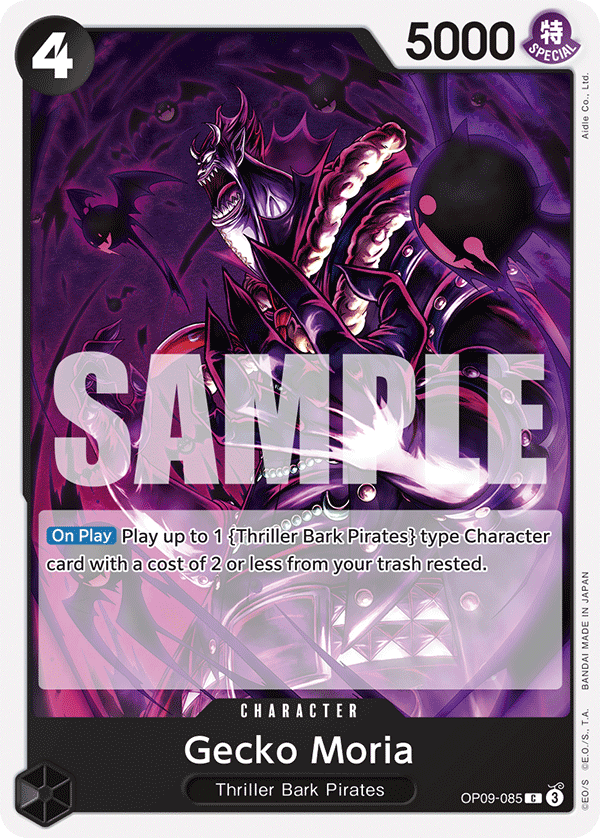
Common
CMost frequentCommon cards are the most frequently pulled cards in One Piece TCG packs. They make up a large part of each set and are usually easy to collect.
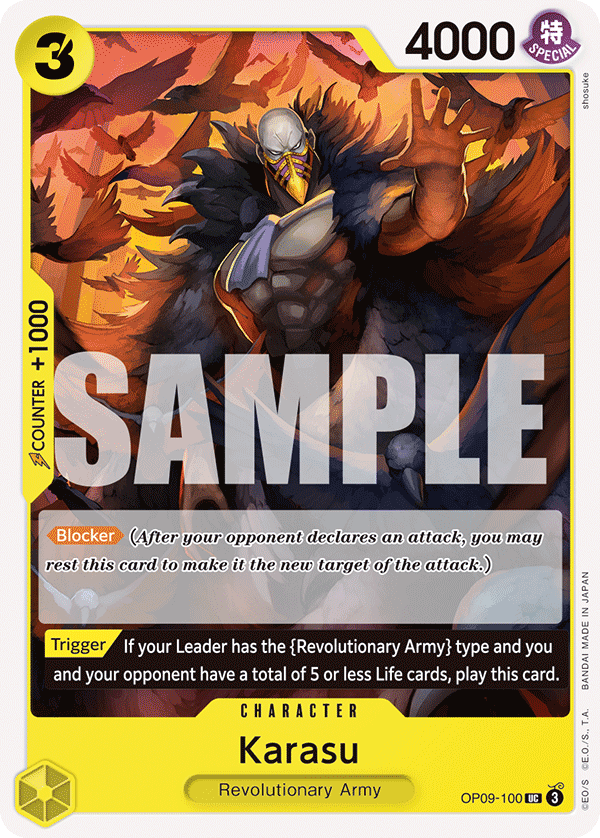
Uncommon
UCRegular pack cardsUncommon cards appear less often than commons, but they are still widely available. They usually help fill out the main set and often include useful deck pieces.
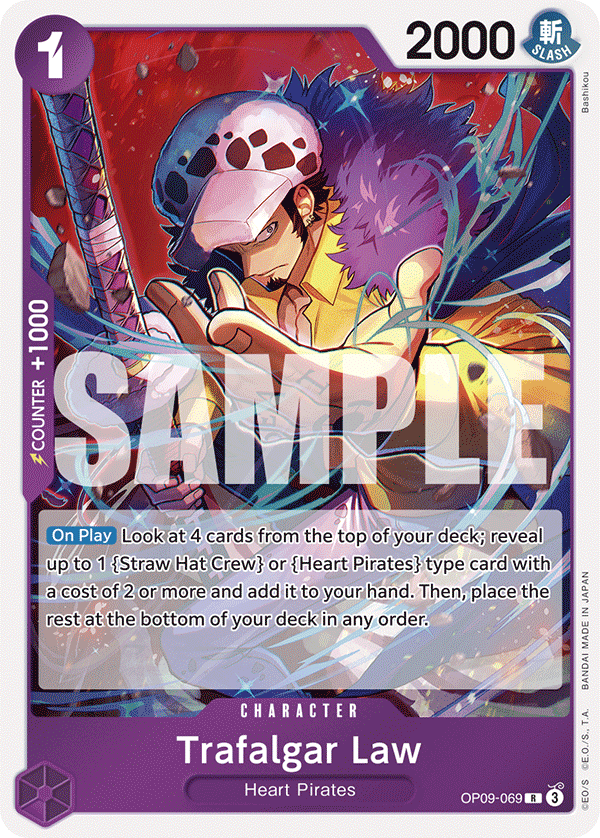
Rare
RUsually in each packRare cards are usually found in packs and often have a more premium finish than common and uncommon cards. They are still much easier to pull than major hits.
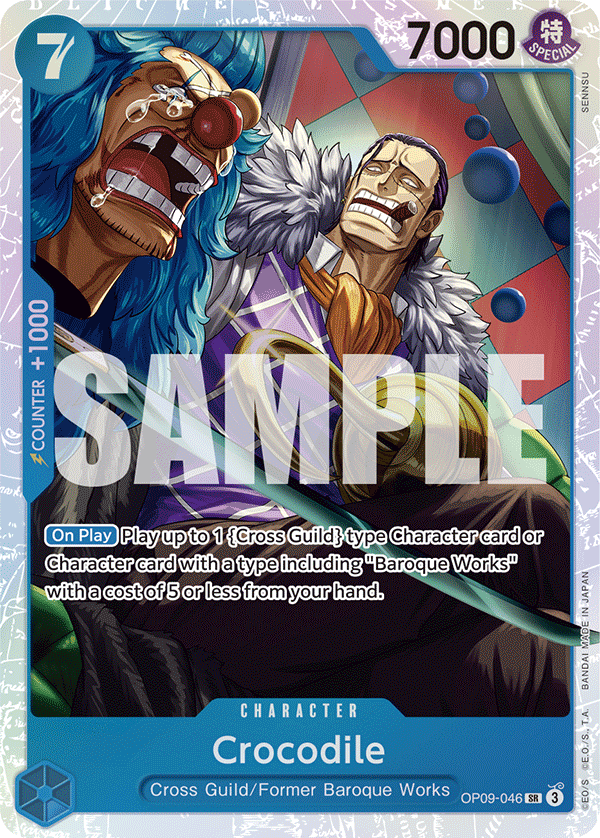
Super Rare
SRSeveral per boxSuper rares are higher-rarity cards that often matter for both players and collectors. Booster boxes usually contain several super rares.
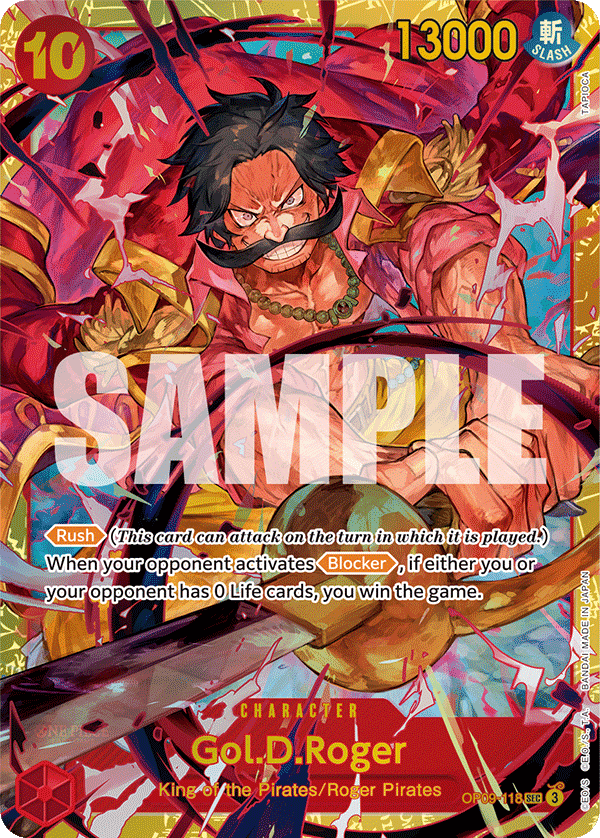
Secret Rare
SECNot guaranteed per boxSecret rares are limited cards that appear less frequently than super rares. Sets include normal secret rares and alternate art secret rares, but you are not guaranteed a secret rare in every box.
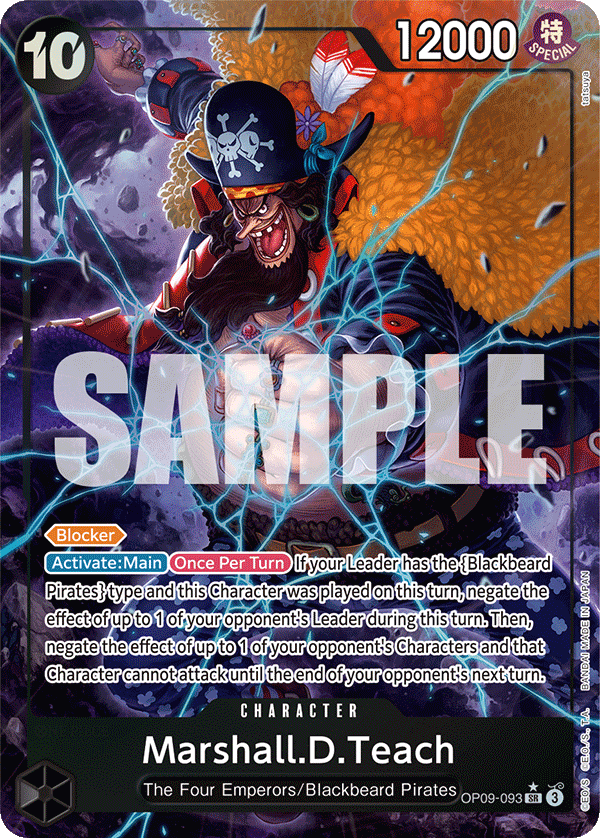
Alternate Art
AAMajor box hitsAlternate arts are special versions of existing cards with different artwork. These are usually aimed more at collectors, as players can often use the base version of the card instead.
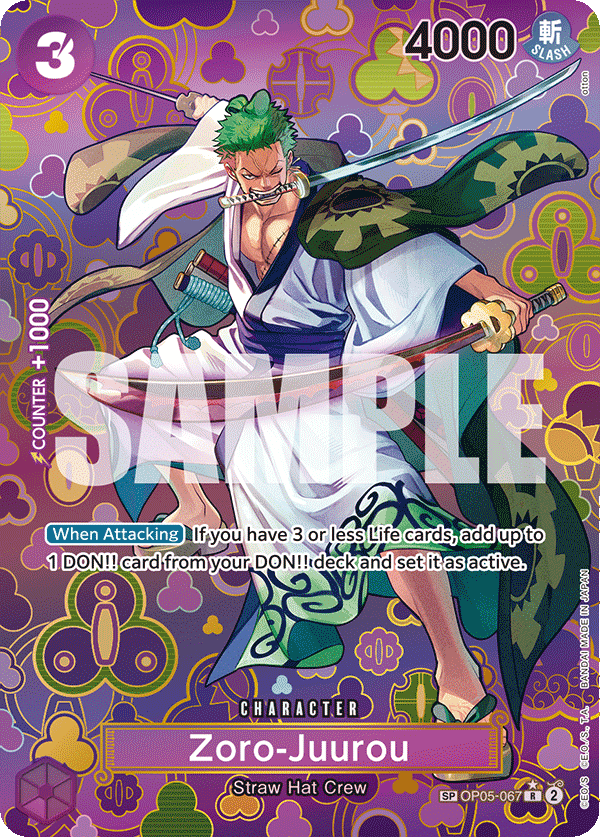
Special Rare
SPCase-level hitsSpecial rares are premium cards that usually appear at lower rates than standard box hits. They often feature unique artwork, themes or anniversary-style designs.
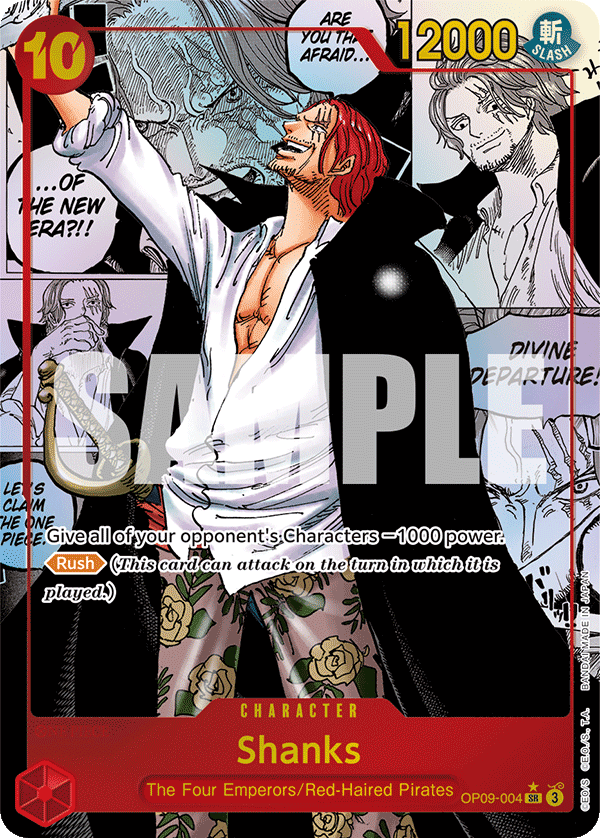
Manga Rare
MANGAExtremely rareManga rares are among the rarest and most desirable cards in the One Piece TCG. They feature manga-style artwork and panels, and they are much harder to pull than normal hits.
Why rarities matter
Rarities help define both the card pool and the excitement of opening packs. Lower rarities appear more often and make up most of a set, while higher rarities are the cards people usually chase.
These higher-rarity cards often stand out because they are harder to find and usually feature more detailed artwork, alternate designs or stronger collector appeal.
Rarities also make it easier to compare sets. For example, one set may have a famous manga rare, while another may have more desirable alternate arts, SP cards or leaders. That is why a set’s overall chase-card depth can matter just as much as its single rarest card.
Common rarities vs hit cards
Commons, uncommons and rares form the foundation of most pack openings. These cards appear regularly and help build out the full set. You will find numerous commons and uncommons in a single pack, and most packs will also contain rare cards.
Higher-end cards such as super rares, secret rares, alternate arts and special cards are what give a set its excitement and value. Learning how these categories fit together helps you understand why some packs feel routine while others feel like major hits.
Super rare and secret rare cards are very important if you are interested in playing the TCG, as they are often the highest rarity cards needed to optimise certain decks. You will usually find around 6 to 7 super rares in a booster box. However, you are not guaranteed to get a secret rare in your box. There are usually around 4 secret rares in a case of 12 boxes, so your chance of finding one inside your box is about 1 in 3.
It is also worth keeping in mind that you can have up to 4 copies of a card in any given deck. When OP-12 was released, it included a secret rare Kuma card that was very good in the TCG. This meant the price of the card was high compared with many previous secret rares, as players were trying to get 4 copies to use in their decks.
If you want a beginner-friendly buying overview before opening packs, read the best One Piece sets for beginners guide or the first set buying guide.
Special rarities create the biggest excitement
In the One Piece TCG, some of the most exciting cards come from the premium end of the rarity system. Manga rares, special rares and alternate art versions are often the cards that define a set and drive the most collector interest.
These are also the cards many people hope to pull when opening packs or booster boxes, as they are both visually impressive and significantly harder to find.
While manga rares are usually the biggest chase cards in a set, certain sets have introduced unique rarities that can sometimes be even more desirable than the manga rare. Sets OP-11 to OP-14 each included gold and silver anniversary cards that were very hard to pull. The anniversary Luffy from OP-11 has become one of the most iconic cards in the One Piece TCG since its release.
OP-09 included the gold manga rare Gol D. Roger, which was harder to pull than the regular manga rares in the set. This card is still one of the most valuable cards in the whole TCG. In the same theme, OP-13 introduced 3 red manga rares featuring Luffy, Ace and Sabo, all of which are significantly more difficult to pull than their regular manga counterparts.
We have also had manga event cards since OP-10, which are usually found in 2 boxes within a case. These cards are alternate arts of event cards, usually with a white design and colourful highlights. They are exciting pulls, but they should not be confused with true manga rares.
If you want to compare special cards that are easier to overlook, see the top 10 underrated One Piece TCG SP cards guide.
Unique One Piece TCG rarities and special chase cards
Not every major hit fits neatly into the normal rarity list. Some One Piece sets include unique chase cards, anniversary cards or special variants that collectors treat as their own category.
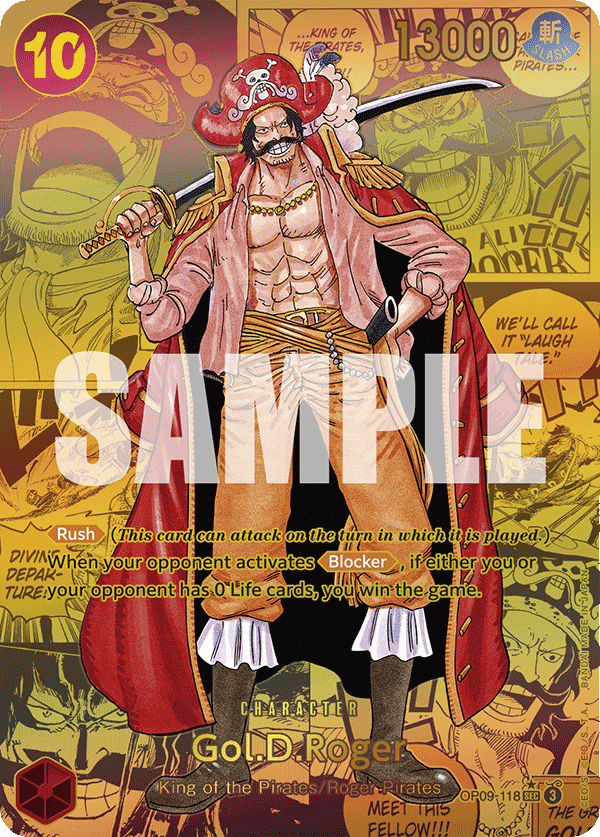
Gold Manga Rare
Gold MangaOP-09OP-09 introduced the gold manga rare Gol D. Roger. This card sits above the regular manga rares from the set and is one of the most famous modern One Piece TCG chase cards.
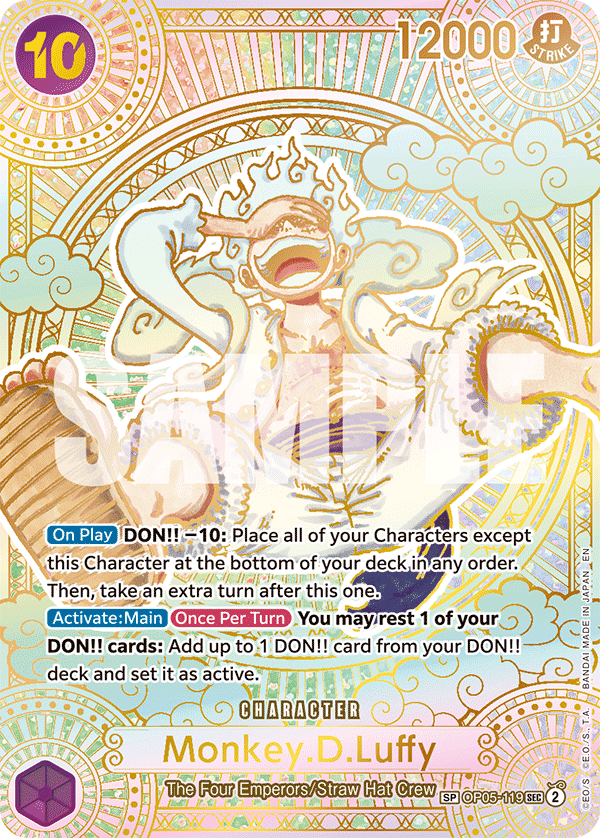
Anniversary Cards
Gold / SilverOP-11 to OP-14Several newer sets have included gold and silver anniversary-style cards. These are not standard alternate arts and are usually treated as premium chase cards.
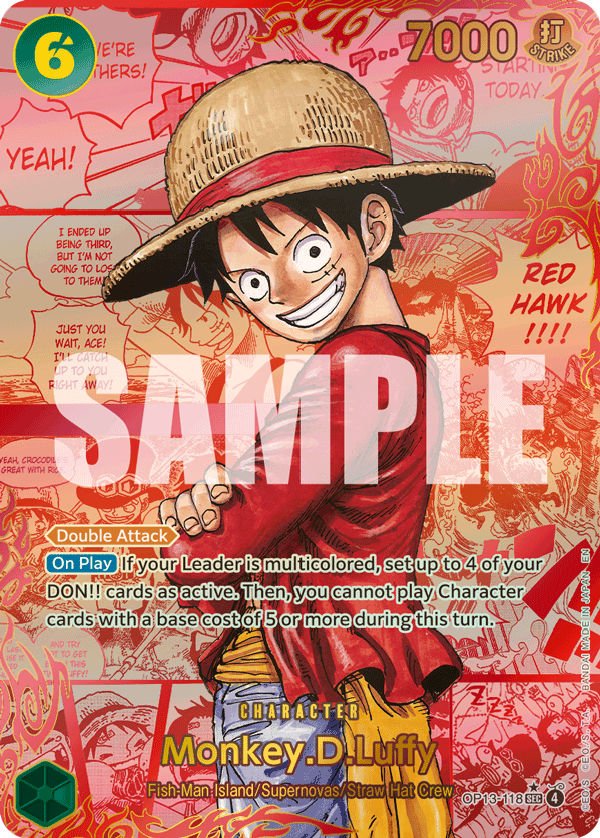
Red Manga Rares
Red MangaOP-13OP-13 introduced red manga rares for Luffy, Ace and Sabo. These cards are harder to pull than the regular manga rares in the same set and are among the biggest hits from OP-13.
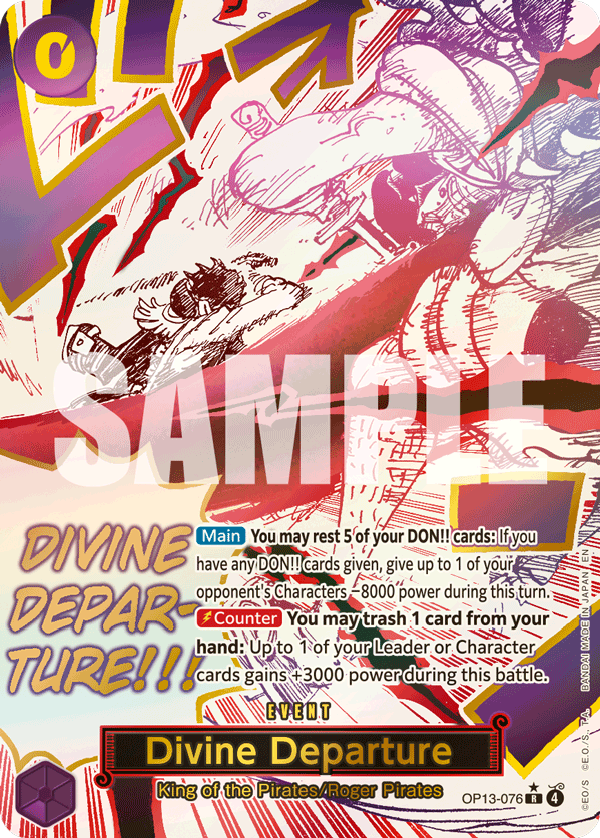
Manga Event Cards
Manga EventOP-10 onwardManga event cards are alternate art versions of event cards. They usually have a bright white design with colourful manga-style highlights and are generally more common than true manga rares.
These unique rarities are one of the reasons newer One Piece sets can feel very different from earlier releases. Two cards may both be considered major hits, but their pull rates, collector demand and long-term value can be completely different depending on the exact rarity slot they belong to.
For more recent chase-card examples, compare the top 10 cards from OP-12, top 10 cards from OP-13, top 10 cards from OP-14 and top 10 cards from OP-15 guides.
Want to understand rarity odds too?
Rarity explains what type of card you have pulled. Pull rates explain how often those cards are likely to appear in packs, boxes and cases.
Learn rarities by opening packs
One of the easiest ways to get familiar with the One Piece rarity system is by opening packs in the One Piece TCG Simulator. This helps you see how different rarities appear in practice and gives you a clearer feel for what counts as a normal pull, a strong hit or a true chase card.
If you are deciding which set to open after learning the rarities, read the best One Piece sets to open for value guide or the best One Piece booster boxes to buy guide.
You can also explore more One Piece TCG guides covering pull rates, chase cards and the best sets to open.
Related rarity and chase-card guides
One Piece TCG Pull Rates Explained
Learn how often rarities appear in packs, boxes and cases, including manga rares, SP cards and alternate arts.
One Piece Manga Rares Explained
A deeper guide to manga rares, gold manga cards, red manga rares and manga-style chase cards.
Rarest One Piece Cards by Set
Compare the biggest chase cards from each set, including manga rares, anniversary cards and premium SPs.
Best One Piece Sets for Collectors
Useful if you want to choose sets based on collector appeal, artwork, chase cards and long-term demand.