
One Piece TCG Odds Guide
One Piece TCG Pull Rates Explained
Learn how One Piece TCG pull rates work, what to expect from booster packs and booster boxes, and why manga rares, alternate arts and other chase cards can be so difficult to pull.
Quick answer: how do One Piece TCG pull rates work?
One Piece TCG pull rates describe how often different card rarities appear in packs, boxes and cases. Booster boxes usually contain several super rares and a small number of bigger hits, such as alternate arts, secret rares, special rares or alternate art leaders. Manga rares are much rarer than normal box hits, which is why opening boxes for one specific manga card is extremely risky.
Pull rates in the One Piece Trading Card Game refer to how often certain types of cards appear in booster packs. Understanding pull rates helps you set realistic expectations when opening packs and gives you a better idea of how rare specific cards really are.
Whether you are chasing manga rares, alternate arts, special rares or secret rares, knowing the approximate odds can help you decide whether to open packs, buy booster boxes or purchase singles instead.
Pull rates are especially important in the One Piece TCG because many of the biggest hits are not simply normal pack pulls. Some cards are better understood at the box or case level, which means the odds can feel very different depending on whether you are opening one loose pack, one booster box or an entire sealed case.
What are pull rates?
Pull rates describe the probability of getting cards of a certain rarity. In the One Piece TCG, this can include super rares, secret rares, alternate arts, alternate art leaders, special rares and manga rares.
These rates are not always officially published, so many pull rate estimates come from large numbers of real pack openings, booster box openings and community data. This means pull rates should be treated as useful estimates rather than exact guarantees.
Rarer cards appear less frequently, which means you may need to open many packs or even multiple booster boxes before pulling one. For the rarest cards, such as manga rares, even opening a sealed case may not guarantee the card you want.
Typical One Piece TCG pull structure
While exact pull rates vary by set, booster boxes usually follow a general structure. Most boxes contain a small number of major hits, which can include alternate arts, secret rares, special rares, alternate art leaders or other high-rarity cards.
The One Piece TCG maps many of the bigger hits at the case level. A sealed case contains 12 booster boxes, so collectors often use case data to estimate the odds of pulling certain types of cards from a single box.
For example, main sets up to the current release, OP-15, have generally included around 4 alternate art leaders per case. That means in any given booster box, you would expect roughly a 1 in 3 chance of pulling an alternate art leader.
Up until OP-06, cases generally contained 1 SP card, which meant you had around a 1 in 12 chance of pulling an SP from a booster box. From OP-06 onward, cases moved to 2 SP cards per case, reducing the box-level odds to around 1 in 6.
There have been changes to booster box structure at several points in the One Piece TCG. For example, as of OP-15, SP cards can appear inside 2-hit boxes. This means there will usually be only 1 other major hit in your booster box if you pull an SP. Looking into the specific set you are interested in is the best way to understand your chances of pulling your chase card.
It is also worth considering that boxes usually contain around 6 or 7 super rare cards, as well as roughly the same number of leaders. These cards make up the more consistent part of a booster box opening, while the major hits are where the real variation comes in.
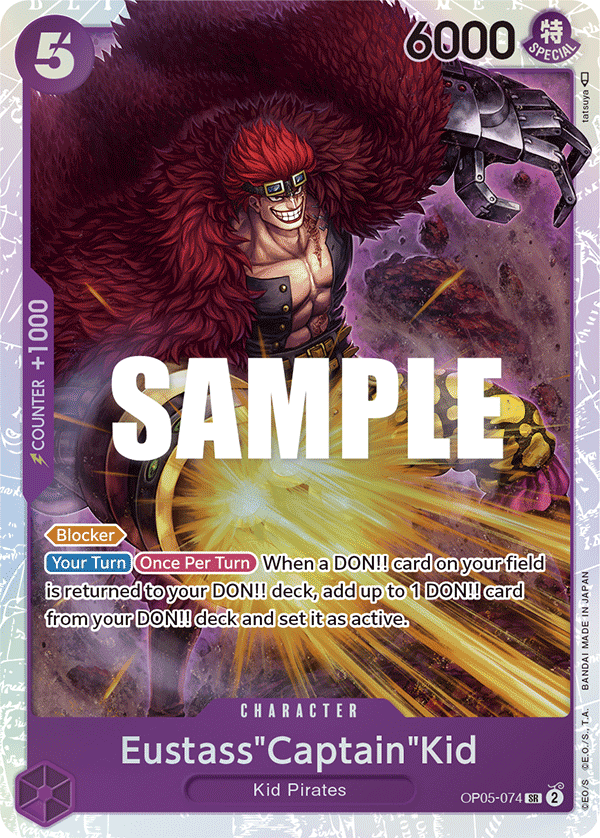
Super Rares
Common box hitsMost booster boxes include several super rare cards. These are exciting pulls, but they are not usually the main chase cards in a box. These stand out for their silver border.
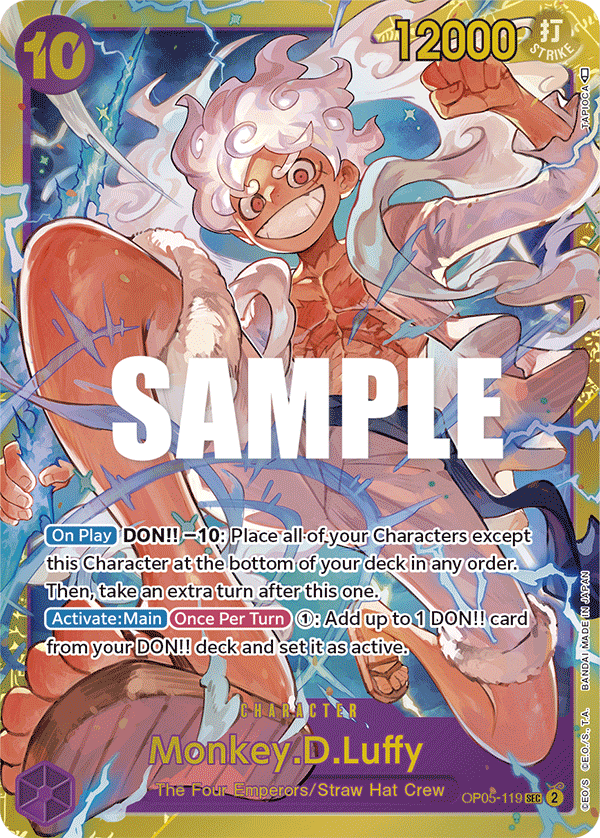
Secret Rares
Limited per boxSecret rares are higher-rarity cards that can appear in booster boxes, often with normal and alternate art versions. These can be noticed by their gold borders.
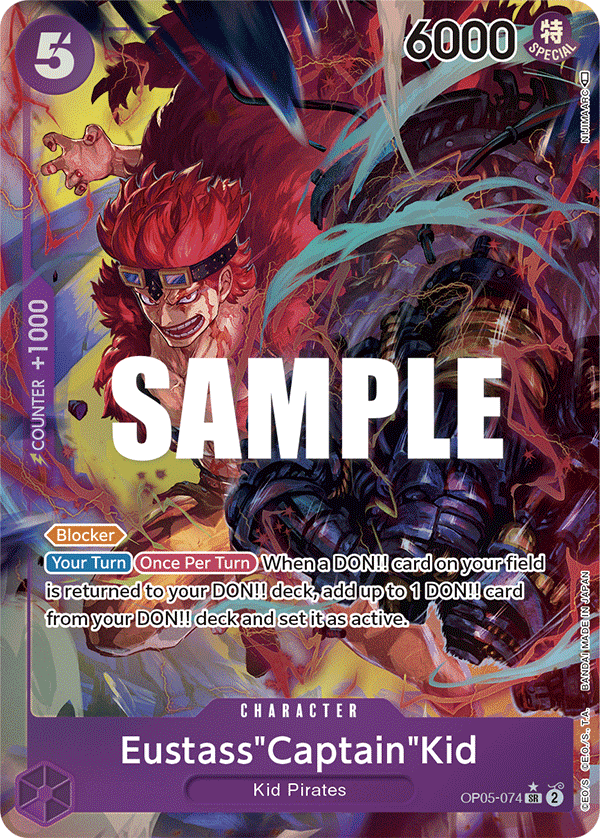
Alternate Arts
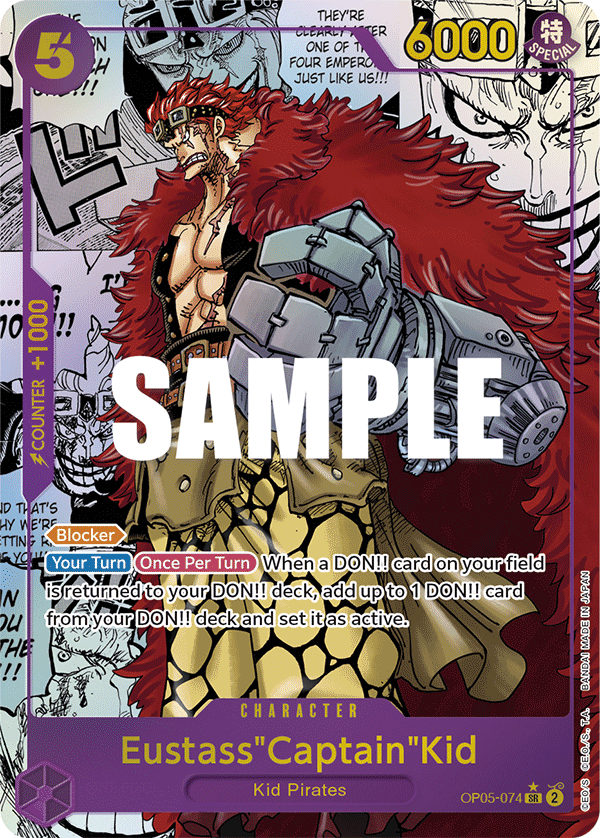
Limited per boxAlternate arts are variations of another card but with different artwork. You will notice that this Kidd has the same text as the SR one. These cards typically has artwork that extends outside of the borders.
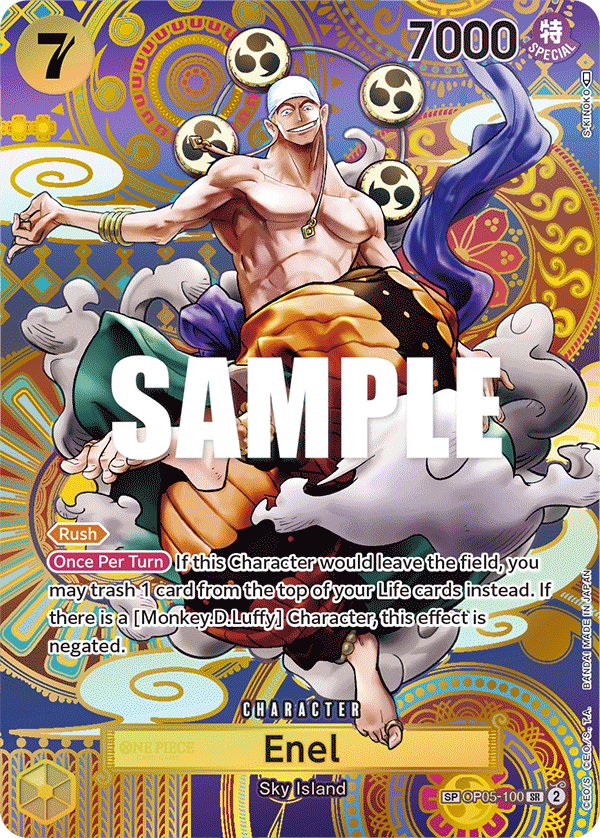
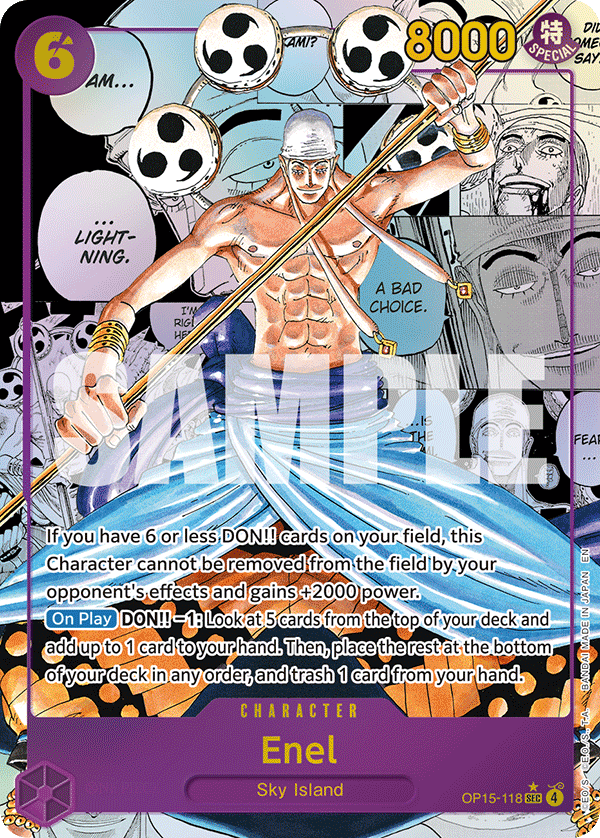
Special Rares
Limited per caseSpecial rares are unique alternate versions of a card that is usually from an older set. SPs within a set usually follow a similar design pattern.
Manga Rares
Extremely rareManga rares are treated as the rarest cards in most One Piece TCG sets. These are also alternate versions of another card but with manga panels in the background. You will notice again that this Kidd card has the same text as the other two.
Manga rare pull rates
Manga rares sit at the very top of the One Piece TCG rarity structure. They are usually considered the most exciting pulls in a set and are much rarer than standard alternate arts, leader alternate arts or secret rares. In general, a manga rare is usually found in 1 in 5 cases which is roughly 1 in 60 booster boxes or 1 in 1,440 packs.
This is why manga rares should not be viewed as realistic targets from a single booster box. You might get lucky, but the odds are heavily against you. If you want one specific manga rare, buying the single is usually much safer than opening boxes trying to pull it. Manga rares will be expensive to purchase but can vary a great deal in price. Below are some of my favourite manga rares released so far.
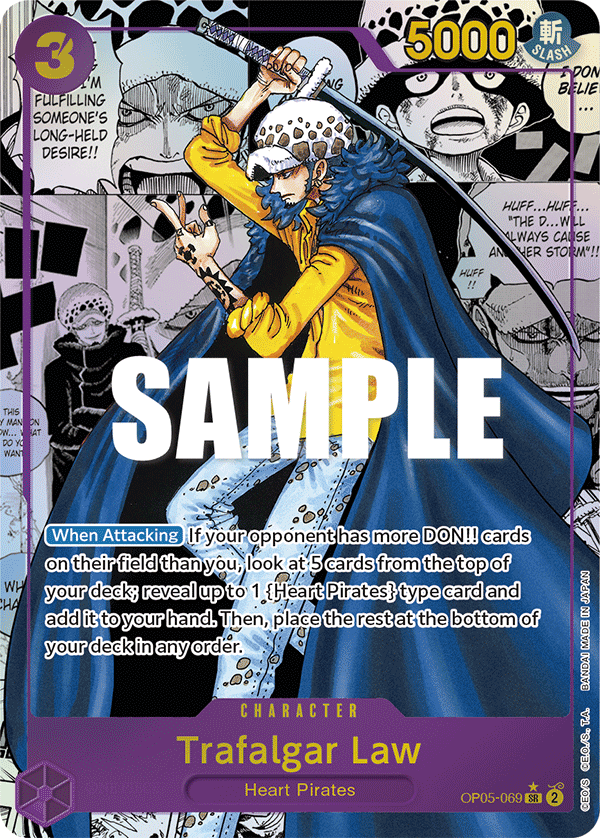
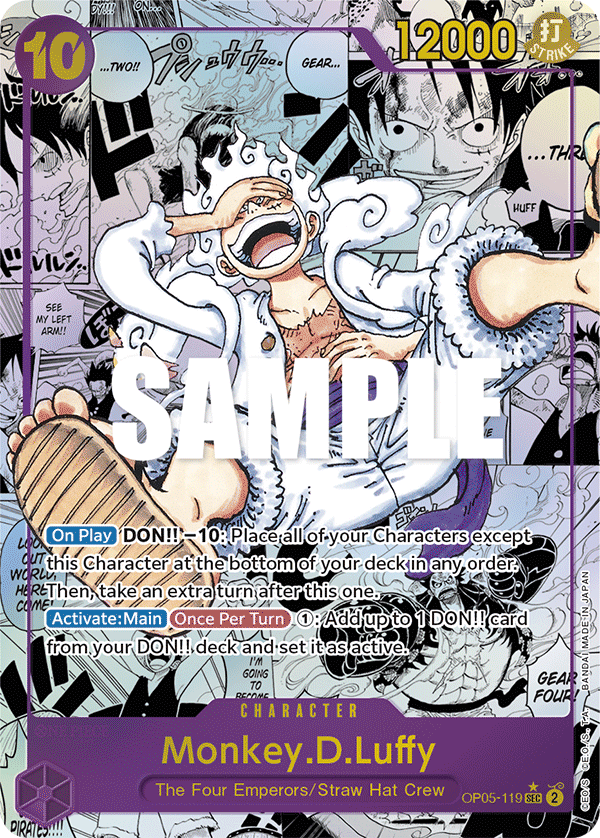
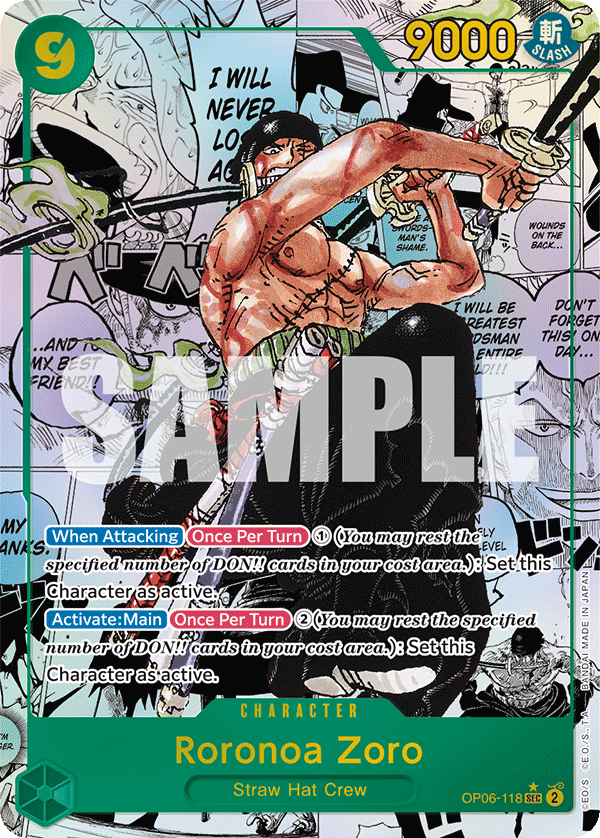
You can learn more about how these cards work in our dedicated One Piece manga rare guide.
Why pull rates matter
Knowing pull rates helps you understand how realistic it is to chase certain cards. Pulling a manga rare from a single booster box is extremely unlikely, so relying on pack openings alone can become expensive very quickly.
Pull rates also help you compare sets. A set with several cards you want can feel more rewarding to open than a set where you only care about one chase card. Even if the top chase card is valuable, the overall opening experience may not be worth it if most other pulls are not interesting to you.
This is why many collectors use a mix of opening packs for fun and buying singles for specific cards they want. Packs are exciting, but singles are usually the better choice when your goal is to obtain one exact card.
Opening for fun or chasing a specific card?
If you want the experience of opening packs, sealed product can be enjoyable. If you want one exact card, buying singles is usually the more sensible option.
Booster boxes vs single packs
Booster boxes usually provide a more consistent experience than buying individual packs. This is because boxes often follow a structured distribution of higher-rarity cards, while single packs are much more unpredictable.
Loose packs can still contain great cards, but there is an extra risk when buying them online. Some sellers may open packs from a box until the main hits have been pulled, then sell the remaining packs. This does not mean every loose pack is bad, but it is something to keep in mind when chasing higher-rarity cards.
For this reason, many players and collectors prefer buying sealed booster boxes rather than loose packs when chasing alternate arts, secret rares or other major hits. However, sealed boxes are more expensive, so they only make sense if you actually want the full opening experience.
Can you rely on pull rates for value?
Pull rates can give you a rough idea of what to expect, but they do not guarantee value. Opening packs is always random, and even strong sets can result in average boxes.
If your goal is purely value, it is often safer to buy singles. If your goal is enjoyment and the excitement of opening packs, understanding pull rates simply helps set expectations.
If there are a large number of cards from a set that you are chasing, then a booster box can be a good option. However, if you are looking for one specific card, it is usually better to buy that card outright rather than opening too many boxes trying to pull it.
You may also find our guide to the best One Piece sets for collectors useful if you want to choose sets based on artwork, characters and chase-card appeal.
Try a pack simulator to understand pull rates
A One Piece pack simulator can help you explore pull rates without spending money. By opening virtual packs, you can get a feel for how often higher rarity cards appear and how different sets compare.
A simulator is not the same as opening real sealed product, but it can make the rarity structure easier to understand. It also helps you see why chasing one specific card can take far more packs than you might expect.
You can also browse more One Piece TCG guides for information on sets, rarities, booster boxes and collecting strategies.
Frequently asked questions
What are One Piece TCG pull rates?
One Piece TCG pull rates describe how often different rarities appear in booster packs, booster boxes or cases. They are useful for setting expectations when opening sealed product, but they do not guarantee specific cards.
Are One Piece TCG pull rates officially confirmed?
Exact pull rates are not always officially published. Most collector estimates are based on booster box openings, case openings and community data. Pull structures can also change between sets.
How many hits are in a One Piece booster box?
Most One Piece booster boxes contain a small number of major hits, such as alternate arts, secret rares, special rares or leader alternate arts. The exact number and type of hits can vary by set.
Are manga rares guaranteed in a case?
Manga rares are not usually treated as normal guaranteed case hits. They are much rarer than standard alternate arts and should not be expected from a single booster box.
Is it better to buy packs, boxes or singles?
If you want one specific card, buying the single is usually the safest option. Packs and booster boxes are better for the opening experience, while singles are better for avoiding the randomness of pull rates.